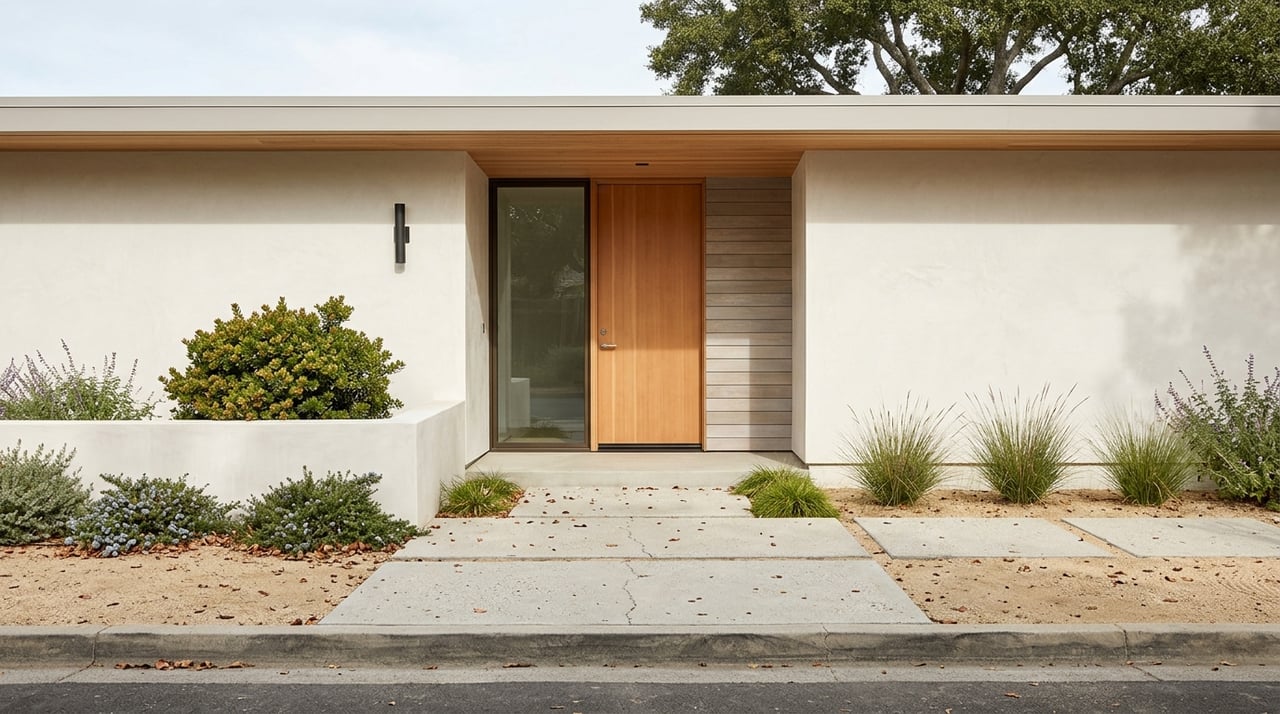
How to Price Your San Bruno Home for Serious Buyers
July 16, 2026
July 16, 2026
What if the price you choose for your San Bruno home matters more than almost anything else you do before listing? In a market where many homes move quickly, your asking price can either create early momentum or slow buyers down. If you want serious interest from motivated buyers, you need a strategy that matches today’s market, your home’s condition, and your timing goals. Let’s dive in.
San Bruno is still a competitive market, but that does not mean every home will get the same response. Recent market reports show homes in San Bruno selling in about 13 to 14 days on average, with many selling above list price. At the same time, a notable share of listings still see price drops, which is a reminder that buyers respond best to realistic pricing.
That push and pull is important if you are planning to sell in the next few months. A well-priced home can attract strong attention early, while an aspirational price can reduce traffic and lead to a later adjustment. In a fast-moving market, the first impression often carries the most weight.
The foundation of a smart pricing strategy is comparing your home to recent sales that are truly similar. That usually means homes in the same San Bruno neighborhood, or in a nearby pocket that buyers would see as a direct alternative. Broad county numbers can give useful context, but they should not drive the final list price for your specific property.
A strong comparable analysis looks at more than square footage. It should account for layout, lot size, condition, legal characteristics, and overall presentation. Guidance in the research report also supports using at least three closed comparable sales whenever possible.
In San Bruno, property type matters a lot. MLSListings data shows single-family homes and attached homes are performing at very different price-per-square-foot levels. That means a condo or townhome should not be priced from a single-family sale, even if the homes are close together geographically.
If you own a single-family home, your best pricing clues will usually come from recent single-family sales with similar size, updates, and lot characteristics. If you own an attached home, the right comparison set will look different. Getting that distinction right is one of the keys to attracting qualified buyers.
Two homes with the same square footage can still command very different prices. Buyers notice the difference between a home that feels move-in ready and one that may need repairs, cosmetic work, or system updates. That is why condition should always be part of your pricing plan.
If your home has recent renovations, updated finishes, or strong curb appeal, that can support pricing toward the upper end of a realistic range. If your home has deferred maintenance or dated areas, the price usually needs to reflect that. A motivated buyer may still be interested, but only if the value feels credible.
Pricing and presentation work together. In San Bruno, where homes can move quickly, buyers often make early judgments based on how a property looks online and in person. A polished launch paired with a realistic asking price can increase the odds of strong early traffic.
That is one reason many sellers benefit from a full pre-listing strategy. When your home is presented well through professional marketing, MLS exposure, and tools like virtual tours, buyers can better understand the value from the start. That gives your pricing a stronger chance to resonate.
Recent reports show San Bruno homes averaging about 14 days on market, and many sell above list price. That can tempt sellers to aim high. But the same data also shows price drops are still happening, which suggests buyers are quick to react when a home feels overpriced.
The first one to two weeks on market are especially important. Early showing activity, buyer questions, and offer quality can tell you whether your price is landing in the right zone. If the response is light in a market that usually moves fast, your price may be working against you.
Mortgage rates remain a factor in buyer behavior. Freddie Mac reported a 30-year fixed rate of 6.49% on July 9, 2026, and that kind of rate environment affects affordability. Even highly motivated buyers may be more price-sensitive than they were in lower-rate periods.
For sellers, that usually means the best strategy is not simply testing the highest possible number. It often means choosing a price that feels competitive enough to pull in buyers who are financially ready and paying close attention to value.
Every seller has a different objective. You may want a faster sale, more certainty, or the chance to create competition right away. You may also have more flexibility and be willing to wait for the right offer.
Pricing should reflect that goal. Industry guidance cited in the research report notes that sellers who want a faster sale may need a more competitive asking price, while sellers with more time can consider pricing higher. The key is making that choice intentionally, not emotionally.
Instead of treating price as a single magic number, it often helps to think in terms of a pricing range. That range should be built from recent comparables, then adjusted for your home’s condition, updates, lot size, and location within San Bruno. This approach gives you a more grounded framework for decision-making.
It also helps you avoid overreacting to one standout sale. Some recent San Bruno homes sold well above list, while others closed below list. That spread shows why pricing discipline matters more than headlines.
Motivated buyers are not just looking for any home. They are looking for a home that feels correctly positioned for the market. When the price, condition, and presentation line up, buyers are more likely to act quickly.
In practical terms, that usually means buyers want to see:
When those pieces are in place, your listing has a better chance of standing out for the right reasons.
If you are planning to sell in the next 3 to 12 months, a few steps can help you price more effectively from the start.
Start with the most recent comparable sales in your part of San Bruno. Look for homes with similar size, style, and property type. Then compare features like lot size, updates, and overall condition.
Take a clear-eyed look at what buyers will notice right away. Updated kitchens, renovated baths, and well-maintained interiors can support stronger pricing. Visible repairs or dated finishes may require a more competitive number.
Once your home hits the market, pay close attention to the first one to two weeks. In a market where homes move quickly, early buyer response is one of the best indicators of whether the list price is working.
If traffic or offer activity does not match expectations, it may be time to revisit the pricing strategy. A prompt adjustment is often more effective than letting a listing sit while buyers assume something is off.
San Bruno is not a one-size-fits-all market. Pricing can vary based on property type, condition, and location within the city. Even in a strong Peninsula market, the homes that attract the best buyer response tend to be the ones priced with local discipline.
That is where neighborhood knowledge matters. When you combine recent comparable sales with thoughtful positioning, strong MLS marketing, and polished presentation, you give your home the best chance to connect with buyers who are ready to move.
If you are thinking about selling in San Bruno, the right pricing strategy starts with a local, property-specific evaluation. For tailored guidance and a thoughtful plan built around your goals, connect with Gianna Archini.
Get assistance in determining current property value, crafting a competitive offer, writing and negotiating a contract, and much more. Contact us today.